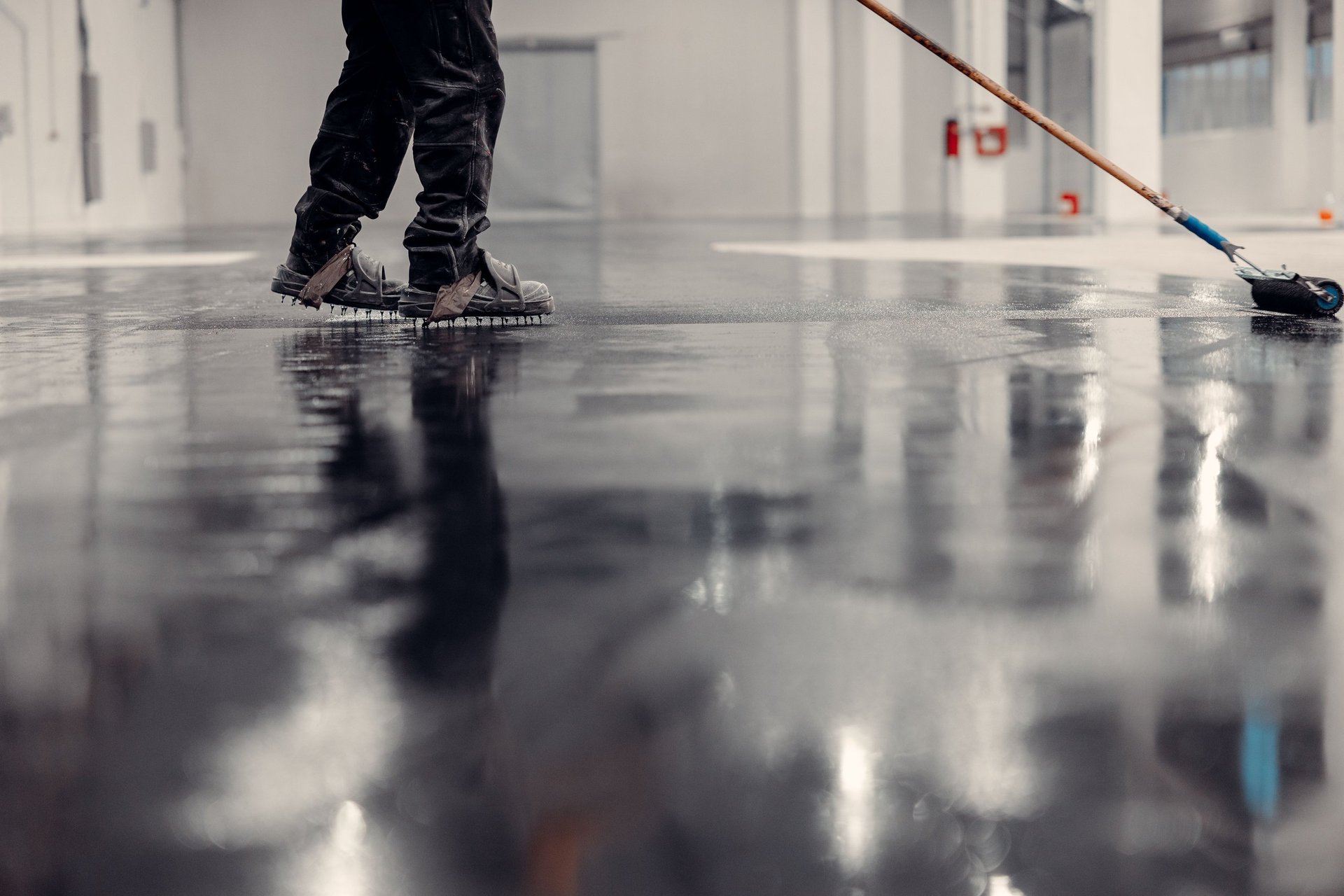
Rhino Coating Ltd installs commercial and industrial resin flooring across the United Kingdom — from single-unit workshops to larger warehousing and production spaces. Manchester-based, with our own installation team travelling nationwide.
Every project is specified around the concrete slab, its condition, and how the floor will actually be used. No two commercial epoxy flooring projects are the same, so we assess before we recommend.
We assess and install resin flooring in a wide range of indoor commercial and industrial environments. The list below is a guide to where our systems are commonly used — not a guarantee.
Fabrication, maintenance and engineering workshops where a clean, durable surface matters.
Automotive, trade and retail showrooms where presentation and finish quality are part of the brand.
Shops, studios and commercial units needing a seamless, easy-to-clean floor.
Storage and distribution areas assessed for load, traffic and abrasion before specification.
Resin flooring is not suitable for every floor or every environment. We assess each site individually — including slab condition, moisture and intended use — and we will tell you honestly if a resin system is not the right answer for your space.
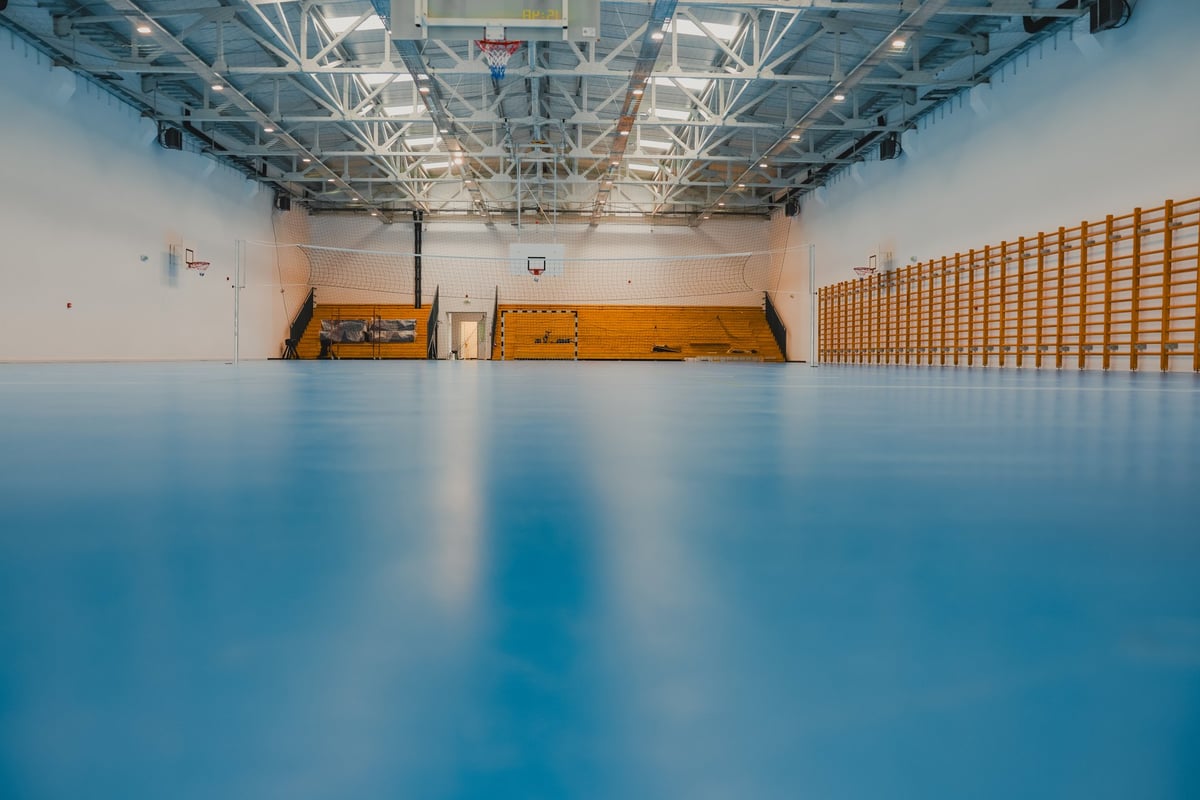
Commercial epoxy flooring has to do two jobs at once. It needs to present well — this is a floor your customers, staff and visitors see every day — and it needs to stand up to regular cleaning and footfall without looking tired after a year.
In commercial premises we focus on a seamless, easy to clean surface with a consistent finish across the whole area. A continuous floor means no grout lines or joints where dirt and spillage collect, which simplifies routine cleaning.
Appearance choices matter here too. Solid colour, full flake broadcast and marble effect finishes all work commercially, and the decorative options let a floor carry a brand colour or match an existing interior scheme.
The right system still comes down to the slab, its condition, how the space is used and what the site requires. We confirm that at survey stage rather than assuming.
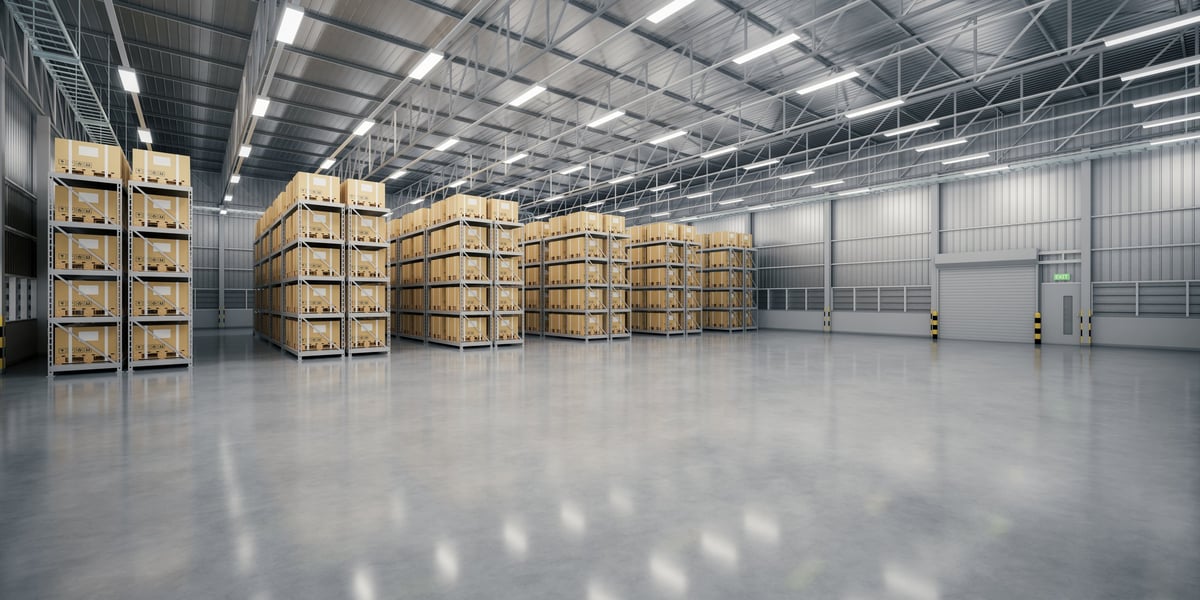
Industrial resin flooring is specified differently. Here the priorities are load, abrasion and the realities of the working environment — moving equipment, dropped tools, foot traffic, and whatever the space is used for day to day.
Substrate quality matters even more in industrial settings. Heavily used concrete is often cracked, worn, contaminated or previously coated, and those conditions have to be addressed before any resin goes down. In many industrial units, preparation is the larger part of the job.
Larger or heavier-duty environments may need a thicker, higher-build specification, and in some cases other resin chemistries alongside epoxy. That decision is made after testing the slab and understanding the duty the floor will actually face.
We provide method statements and risk assessments for industrial projects, and we plan the programme around your operations where the site allows.
Three core systems form the basis of most commercial and industrial specifications. Suitability depends on the substrate, the intended use and the site — not every system suits every environment.
Solid High Build Epoxy
A solid, single-colour high build epoxy. Typically considered where a clean, seamless and durable surface is the priority and a plain finish is acceptable.
Full Flake Broadcast
A multi-colour flake broadcast finish. The decorative layer also adds surface texture and helps disguise everyday marks and scuffs.
Marble Effect
A decorative marble-effect resin finish. Chosen where the floor is part of the presentation — high-end showrooms, reception and client facing space.
Descriptions above are general guidance only. Final system selection follows a site survey and is confirmed in your written specification.
Most resin floor failures trace back to preparation, not the resin. This is the sequence we work to on commercial and industrial projects.
Mechanical diamond grinding with dust extraction to remove contamination and laitance and open the surface profile for adhesion.
Cracks, spalling and surface defects are assessed and repaired before any coating is applied.
The slab is tested for moisture. Excessive ground moisture is one of the most common reasons a resin floor fails prematurely.
Where required, a surface damp-proof membrane or suitable primer is specified to control moisture and promote adhesion.
The specified resin system is installed to the agreed build and finish, in controlled conditions.
Where appropriate, a protective finish or top coat is applied to suit the duty of the floor and how it will be cleaned.
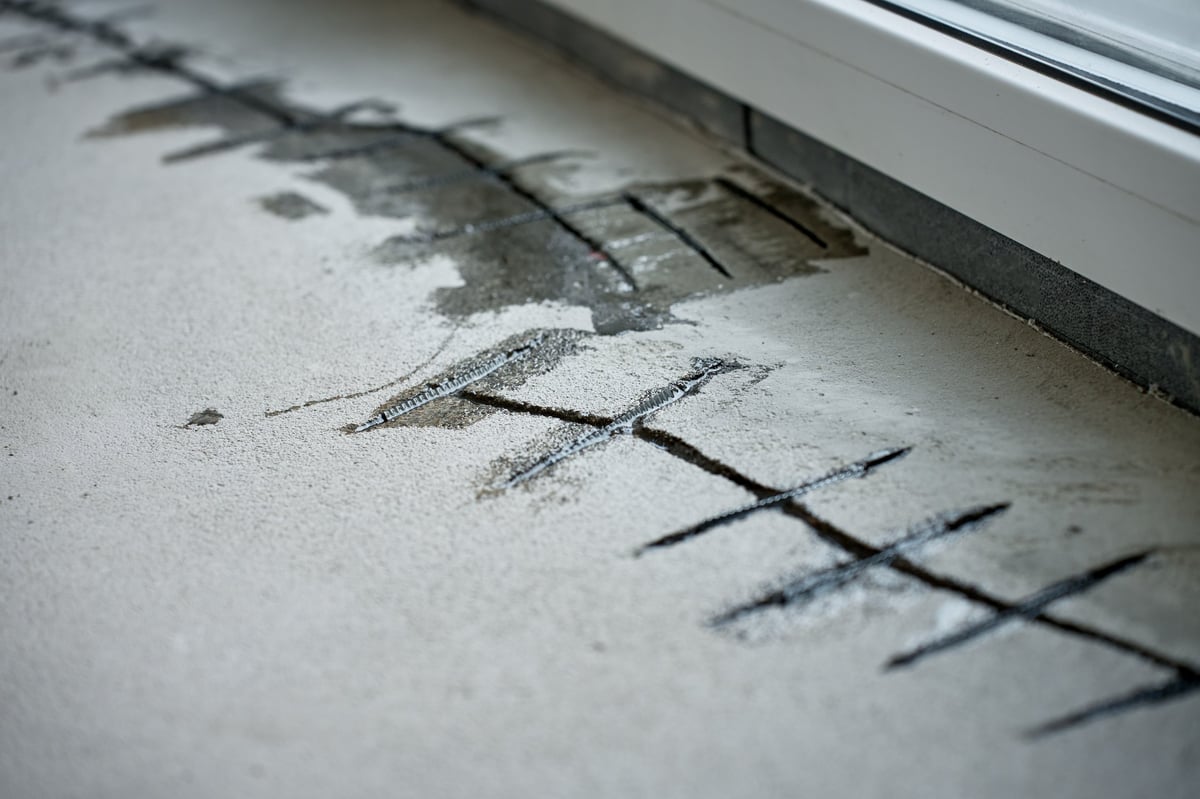
Larger concrete repairs, levelling or screed work may require separate assessment and a revised specification before installation can proceed.
These are the factors that determine which system we recommend, how much preparation is needed and how long the installation takes.
Age, strength, flatness, cracks, previous coatings and existing contamination all shape how much preparation is required.
Ground moisture levels determine whether a damp-proof membrane is needed and which primer is appropriate.
Total square metres affects materials, programme length and how the work is staged around your operations.
Foot traffic, vehicle movement, point loads, chemical exposure and cleaning methods all influence the resin build and finish selected.
Vehicle access, parking, lift availability and how equipment reaches the floor area are confirmed before work starts.
Cure times between coats mean a resin floor cannot be walked on immediately. We agree a realistic programme and any downtime with you in advance.
The more detail you can give us, the more accurate our first response will be. To specify your floor properly we need to know:
Your location
Town, city and postcode — we install nationwide.
Approximate floor area
In square metres, even if it is only a rough estimate.
Photos of the floor
A few clear photos help us assess the existing slab.
Intended use
What happens on the floor day to day — traffic, vehicles, equipment, cleaning.
Your timescale
When you would like the work carried out and any downtime constraints.
Every installation is covered by our 10-year workmanship warranty, subject to our published terms.
Finance is available through our third-party finance partner, subject to status and applicable terms. Full details on request.
City & Guilds trained and approved, with commercial-grade resin systems only.